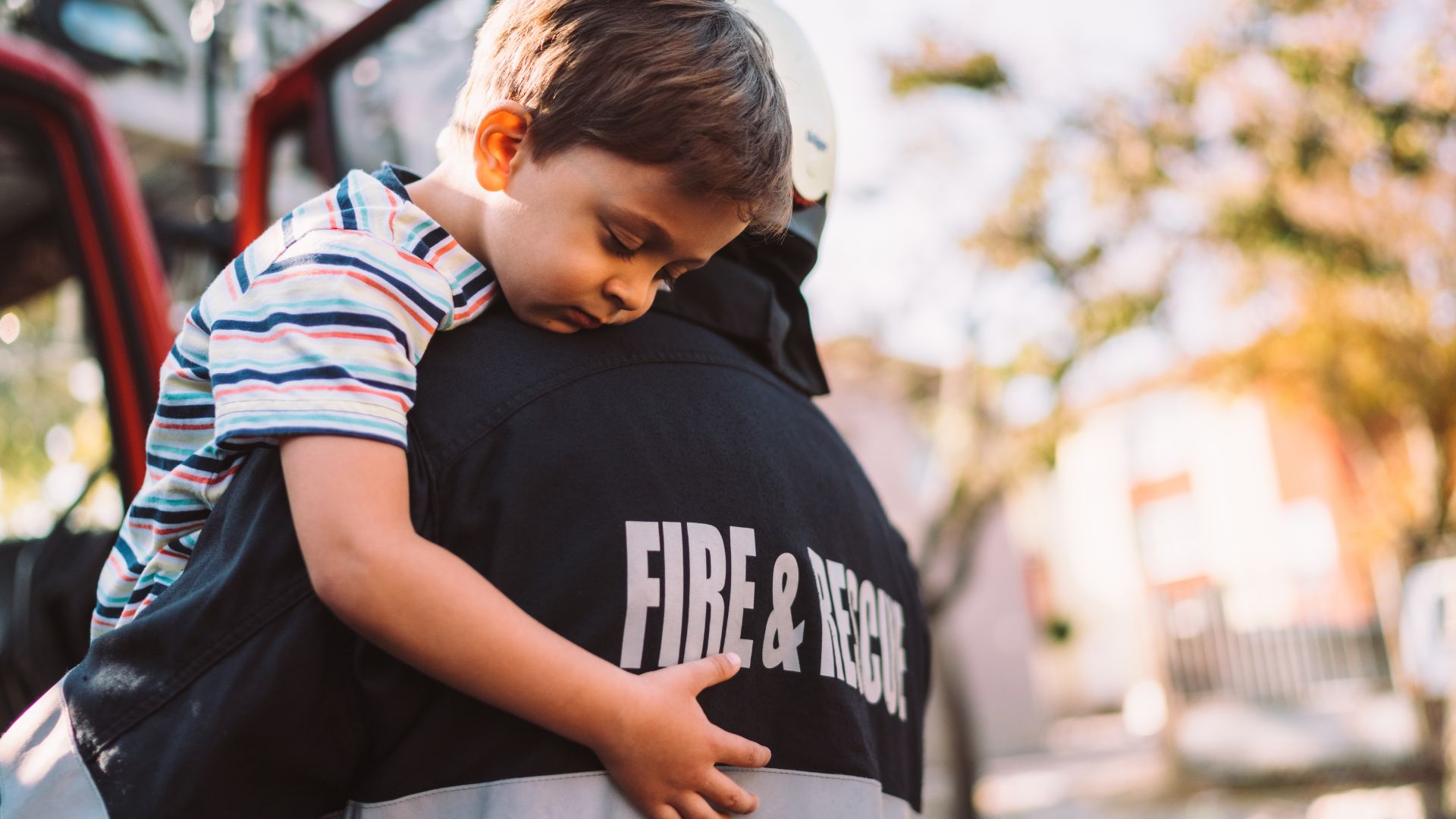
In the high-stakes world of firefighting, being equipped with the right skills can mean the difference between life and death. Among the myriad of essential skills that firefighters must possess, CPR,or cardiopulmonary resuscitation,stands out as a critical life-saving technique. For firefighters in San Antonio, understanding and mastering CPR is not just a professional requirement, but a community imperative.
As the city continues to grow, so does the need for first responders who are not only brave but also highly trained in emergency medical procedures. This is why comprehensive CPR training has become a cornerstone for firefighter readiness. Whether responding to a house fire or a medical emergency, firefighters are often the first on the scene, and their ability to perform CPR effectively can save lives.
In the following sections, we will explore the importance of CPR training for firefighters in San Antonio, the specific challenges they face, and how ongoing education can enhance their ability to serve their community. Stay with us as we delve into these crucial aspects of firefighter training and discover why continuous learning is vital for these everyday heroes.
Why CPR Skills Are Crucial for Firefighters
As we’ve discussed, CPR training is an essential component of a firefighter’s skill set in San Antonio. Here are five reasons why mastering CPR is so crucial for these first responders:
- Immediate Response Capability: Firefighters are often the first on the scene of an emergency. Their ability to administer CPR immediately can significantly increase the survival chances of cardiac arrest victims. This rapid response is a critical reason why CPR training is prioritized at CPR San Antonio.
- Complementary to Other Life-Saving Skills: While fighting fires is the primary focus, firefighters frequently encounter medical emergencies. CPR complements other techniques such as using an automated external defibrillator (AED), enhancing their overall life-saving capabilities.
- Community Trust and Safety: San Antonio’s growing population means more emergencies. Firefighters equipped with CPR skills reassure the community that they’re in capable hands, fostering trust and confidence in local emergency services.
- Adaptability in Dynamic Situations: Emergencies can be unpredictable, and firefighters must adapt quickly. Mastery of CPR allows them to respond effectively to diverse scenarios, from house fires to roadside incidents, ensuring they are a reliable resource in any crisis.
- Ongoing Professional Development: Continuous CPR training not only sharpens existing skills but also updates firefighters on the latest techniques and technologies. This commitment to learning is vital for maintaining high standards of emergency care.
By focusing on these critical aspects, CPR San Antonio ensures that firefighters are not only prepared to tackle fires but are also equipped to save lives through proficient CPR skills. This holistic approach to training underlines the importance of ongoing education and the pivotal role it plays in public safety.
Top CPR Certification Programs in San Antonio
In the quest to ensure that San Antonio’s firefighters are always ready to respond to any emergency, selecting the right CPR certification program becomes paramount. CPR San Antonio stands out as a leading provider, offering top-tier programs designed to meet the unique needs of first responders. Here, we explore the top CPR certification programs available through them, emphasizing how these programs contribute to the professional development of firefighters.
At CPR San Antonio, the curriculum is structured to provide a comprehensive understanding of CPR techniques, ranging from basic procedures to advanced life-saving strategies. This ensures that firefighters not only master immediate response capabilities but also refine their adaptability and proficiency in high-stakes situations. The programs are tailored to complement other critical skills, such as the use of automated external defibrillators (AEDs), reinforcing the holistic approach to emergency medical training discussed previously.
One of the standout features of these programs is the emphasis on community trust and safety. By equipping firefighters with cutting-edge knowledge and skills, CPR San Antonio helps enhance the confidence of the San Antonio community in their local emergency services. Firefighters trained here are not only seen as heroes in the fight against fires but also as trusted allies capable of managing the most challenging medical emergencies.
Moreover, the programs prioritize ongoing professional development, aligning with the latest medical guidelines and technologies. This commitment to continuous learning ensures that firefighters are always equipped with the most current and effective CPR techniques, reinforcing their role as vital contributors to public safety.
For more information on how these programs can enhance the capabilities of your firefighting team, visit CPR San Antonio. Their dedication to providing exceptional training underscores the importance of choosing the right certification program to maintain the highest standards of emergency care in San Antonio.
Advanced CPR Techniques for Firefighter Safety
Building on the foundational CPR skills highlighted in our previous discussions, it’s crucial for firefighters in San Antonio to advance their CPR expertise to enhance their safety and effectiveness in emergency scenarios. Here are five advanced CPR techniques that are vital for firefighter safety:
- High-Performance CPR: This technique focuses on improving the quality and efficiency of CPR through team coordination and precise execution. Firefighters are trained to work seamlessly with their team, ensuring consistent, high-quality chest compressions and ventilations, which can significantly improve patient outcomes. Learn more about advanced CPR training at CPR San Antonio.
- Use of Feedback Devices: Feedback devices provide real-time data on CPR performance, such as compression depth and rate. By incorporating these tools, firefighters can adjust their technique on the spot, ensuring they deliver optimal care during high-pressure situations.
- Integration of AEDs with CPR: Mastery of automated external defibrillators (AEDs) alongside CPR is crucial. Firefighters learn to rapidly transition between chest compressions and AED use, ensuring no time is wasted during the critical early moments of cardiac arrest.
- Pediatric CPR Techniques: Emergencies involving children require specific adaptations of CPR techniques. Firefighters are trained in pediatric CPR to effectively handle situations involving younger victims, a vital skill given the diverse nature of emergencies they encounter.
- Scenario-Based Training: By simulating real-life emergency scenarios, firefighters can practice advanced CPR techniques in a controlled environment. This method enhances their adaptability, preparing them to handle the unpredictability of actual emergencies with confidence.
These advanced techniques not only enhance the life-saving capabilities of firefighters but also reinforce the principles of ongoing professional development and adaptability in dynamic situations discussed earlier. For more information on advancing CPR skills, visit CPR San Antonio to explore their comprehensive training programs.
How Regular CPR Training Saves Lives in Emergencies
Incorporating regular CPR training into the routine of San Antonio’s firefighters is a pivotal practice that not only enhances their skill set but also significantly impacts their ability to save lives during emergencies. Here are five ways regular CPR training facilitates life-saving outcomes:
- Enhanced Muscle Memory: Regular practice of CPR techniques ensures that firefighters develop strong muscle memory, allowing them to perform life-saving procedures instinctively and efficiently. This is crucial, especially in high-pressure situations where every second counts.
- Up-to-Date Techniques: Continuous training provides firefighters with the opportunity to stay informed about the latest CPR guidelines and technologies. This ongoing education is essential for maintaining the highest standards of emergency care, as highlighted by CPR San Antonio.
- Skill Retention: Frequent CPR training sessions help firefighters retain critical skills, reducing the likelihood of skill decay. This retention is vital for ensuring that they are always ready to respond effectively, regardless of when the last emergency occurred.
- Confidence in Crisis Situations: Regular training boosts the confidence of firefighters, empowering them to take decisive action during emergencies. This confidence is integral to their role as reliable first responders, fostering trust within the community.
- Team Coordination: As discussed in the Advanced CPR Techniques section, team coordination is crucial for delivering high-performance CPR. Regular training sessions allow firefighters to practice and refine their teamwork, ensuring seamless operations during real-life emergencies.
By prioritizing regular CPR training, CPR San Antonio not only equips firefighters with essential life-saving skills but also reinforces the principles of ongoing professional development and adaptability. This commitment to excellence in emergency response ensures that San Antonio’s first responders are always prepared to protect and serve their community effectively.
Top CPR Certification In San Antonio
In the dynamic and demanding field of firefighting, mastering CPR is essential for San Antonio’s first responders, ensuring they are equipped to handle the complexities of emergencies. The importance of CPR skills lies not only in their ability to increase survival rates but also in fostering community trust and enhancing the adaptability of firefighters in diverse crisis situations. As highlighted throughout this blog, ongoing professional development through CPR San Antonio ensures that firefighters continually refine their skills with the latest techniques and technologies.
Programs offered by CPR San Antonio are tailored to meet the unique needs of firefighters, integrating advanced CPR techniques and scenario-based training to bolster their readiness. Regular training sessions reinforce muscle memory, confidence, and team coordination, vital elements for efficient emergency response. By prioritizing these comprehensive training initiatives, CPR San Antonio plays a pivotal role in enhancing the life-saving capabilities of firefighters, ultimately safeguarding the San Antonio community.
For firefighters and emergency services looking to elevate their CPR proficiency, we invite you to explore the exceptional training opportunities at CPR San Antonio. Visit our website or contact us directly to learn how our programs can empower your team with the skills necessary to save lives and maintain the highest standards of public safety. Together, we can continue to build a stronger, safer community.
Frequently Asked Questions
Why is CPR training essential for firefighters in San Antonio?
CPR training is crucial for firefighters in San Antonio because they are often the first responders at emergency scenes. Immediate Response Capability significantly increases survival chances during cardiac arrests. Additionally, CPR skills complement other life-saving techniques, such as AED use, enhancing firefighters’ overall emergency response effectiveness. As San Antonio’s population grows, equipping firefighters with CPR skills reassures community trust and safety. CPR San Antonio prioritizes this training, ensuring firefighters are prepared to save lives and maintain high professional standards.
What are the key components of CPR training for firefighters?
Key components of CPR training for firefighters include Immediate Response Capability and the integration of CPR with AED use, which enhances life-saving skills. Training also focuses on High-Performance CPR and the use of feedback devices for real-time performance assessment. Firefighters learn both adult and Pediatric CPR Techniques, crucial for handling diverse emergencies. Additionally, Scenario-Based Training prepares them for real-life situations. This comprehensive approach ensures firefighters are equipped with the latest knowledge and techniques necessary for effective emergency response.
How often should firefighters in San Antonio undergo CPR training?
Firefighters in San Antonio should undergo CPR training regularly to maintain optimal skill levels and ensure readiness for emergencies. Regular training enhances Muscle Memory and keeps firefighters updated on the latest CPR techniques and guidelines. Frequent practice also aids in Skill Retention and boosts confidence in crisis situations. CPR San Antonio emphasizes ongoing professional development, recommending periodic training sessions to reinforce team coordination and adaptability, ensuring firefighters can deliver high-performance CPR consistently.
What certification is required for firefighters to perform CPR in San Antonio?
Firefighters in San Antonio are required to obtain CPR certification through recognized programs such as those offered by CPR San Antonio. These programs provide comprehensive training that aligns with the latest medical guidelines and technologies. The certification process includes mastering basic CPR procedures, the use of automated external defibrillators (AEDs), and advanced life-saving techniques. This ensures firefighters not only meet professional standards but are also equipped to manage challenging medical emergencies effectively, thereby enhancing public safety and community trust.