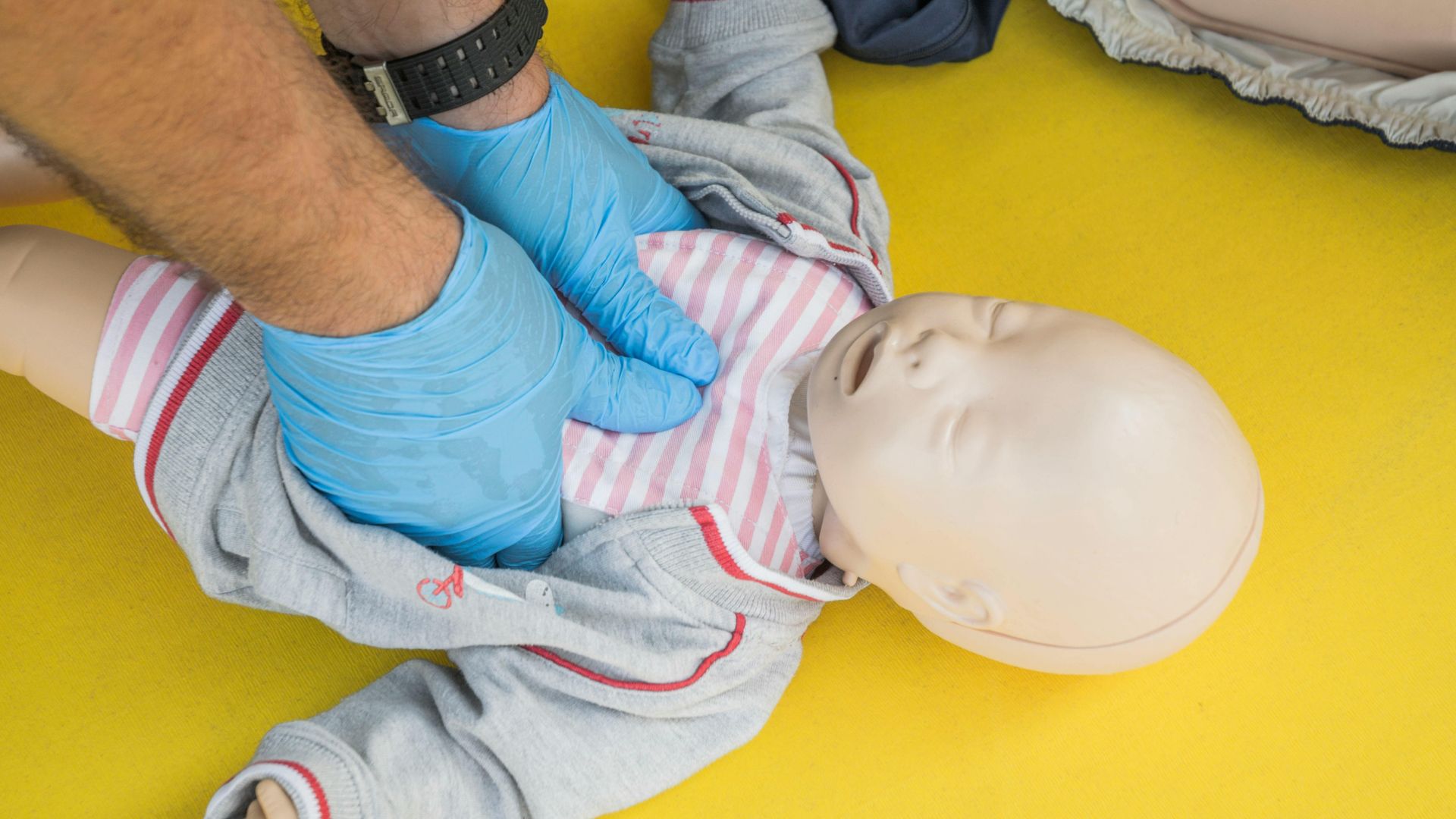
Caring for children comes with tremendous responsibility. Parents trust childcare providers to create a safe, nurturing environment where children can learn, play, and grow. While most days pass without incident, childcare professionals must be prepared for the possibility of medical emergencies that can occur unexpectedly. From minor injuries and allergic reactions to choking incidents and more serious medical situations, preparation plays a critical role in helping providers respond effectively.
Childcare centers, preschools, daycare facilities, and in-home childcare providers throughout San Antonio care for children of various ages and developmental stages. Because young children may not always be able to communicate symptoms clearly or understand potential dangers, caregivers often serve as the first line of defense when emergencies arise.
For many childcare professionals, completing a CPR Certification course is an important step toward building the knowledge and confidence needed to respond appropriately during emergencies. Training helps providers understand emergency procedures and equips them with practical skills that support the safety and well-being of the children in their care.
Why Emergency Preparedness Is Essential in Childcare Settings
Children are naturally curious and active. They learn through exploration, movement, and interaction with their environment. While these activities are important for development, they can also increase the likelihood of accidents and unexpected medical situations.
Childcare providers must balance supervision, education, and safety throughout the day. Having a plan for emergencies helps ensure that staff members know how to respond quickly and effectively when situations occur.
Preparedness is about more than simply reacting to emergencies. It involves creating systems, procedures, and training programs that help reduce confusion and improve response times when immediate action is needed.
Common Medical Emergencies in Childcare Environments
Medical emergencies can occur in any childcare setting regardless of the size of the facility or the age of the children being supervised.
Some of the most common situations providers may encounter include:
- Choking incidents
- Allergic reactions
- Asthma-related emergencies
- Falls and injuries
- Head injuries
- Seizures
- Heat-related illnesses
- Breathing difficulties
- Sudden illnesses
Understanding these potential emergencies allows providers to develop response plans before an incident occurs.
Choking Emergencies Among Young Children
Choking remains one of the most serious concerns in childcare environments. Young children often explore objects by placing them in their mouths, which can increase the risk of airway obstruction.
Food items, toys, and small objects may all pose choking hazards depending on a child’s age and developmental stage.
Providers should remain vigilant during meal times, snack periods, and play activities. Early recognition of choking signs can help staff respond quickly when intervention is necessary.
Maintaining age-appropriate toys, supervising children closely, and following established safety guidelines can help reduce choking risks within childcare facilities.
Allergic Reactions Require Immediate Attention
Food allergies and environmental allergies affect many children. Some reactions may be mild, while others can become serious very quickly.
Childcare providers should be aware of each child’s known allergies and understand the procedures established by parents and healthcare providers.
Common allergy triggers may include:
- Peanuts
- Tree nuts
- Dairy products
- Eggs
- Insect stings
- Certain medications
Clear communication between parents and childcare staff helps ensure that allergy information remains current and accessible.
Asthma and Breathing Emergencies
Asthma is one of the most common chronic health conditions affecting children. Physical activity, environmental triggers, illness, and allergens may all contribute to asthma symptoms.
Because breathing emergencies can escalate rapidly, childcare providers should be familiar with each child’s asthma management plan and understand how to recognize signs that a child may be experiencing respiratory distress.
Prompt attention and proper communication with emergency services are essential when breathing difficulties become severe.
Falls and Playground Injuries
Active play is an important part of childhood development, but it can also result in injuries. Playgrounds, classrooms, sports activities, and outdoor recreation areas all present opportunities for accidental falls.
Common injuries may include:
- Scrapes and cuts
- Bruises
- Sprains
- Fractures
- Head injuries
While many playground injuries are minor, providers should understand how to assess situations and determine when additional medical evaluation may be necessary.
Consistent supervision and regular equipment inspections help reduce the likelihood of accidents.
The Importance of Emergency Action Plans
Every childcare facility should have a clear emergency action plan that outlines procedures for handling medical emergencies.
A comprehensive plan often includes:
- Emergency contact information
- Staff responsibilities
- Communication procedures
- Emergency evacuation routes
- First aid kit locations
- Medication protocols
- Documentation procedures
Having established procedures helps staff respond more efficiently and reduces uncertainty during stressful situations.
Emergency plans should be reviewed regularly and updated as needed.
Staff Training and Ongoing Education
One of the most effective ways to improve emergency preparedness is through regular staff training.
Training allows providers to practice emergency response procedures, review safety protocols, and develop confidence in their ability to manage unexpected situations.
Benefits of ongoing education include:
- Improved emergency awareness
- Better communication among staff
- Increased confidence during emergencies
- Stronger safety culture
- Enhanced preparedness for a variety of situations
Regular training also helps ensure that new employees understand facility procedures and expectations.
Maintaining First Aid Supplies and Emergency Equipment
Having the right supplies available is an important part of emergency preparedness.
Childcare facilities should routinely inspect and replenish first aid materials to ensure they remain accessible when needed.
Important supplies may include:
- Adhesive bandages
- Gauze pads
- Medical tape
- Disposable gloves
- Antiseptic supplies
- Cold packs
- Emergency contact information
Staff members should know where supplies are stored and how to access them quickly during emergencies.
Communicating with Parents During Emergencies
Clear communication is an important component of emergency response. Parents expect to be informed when their child experiences an injury, illness, or medical emergency.
Facilities should establish communication procedures that help staff notify parents promptly while also ensuring that the immediate needs of the child remain the priority.
Accurate documentation and timely updates help build trust between childcare providers and families.
Strong communication practices also help support continuity of care after an incident occurs.
Creating a Culture of Safety in Childcare Settings
Emergency preparedness is most effective when it becomes part of a facility’s overall culture. Safety should be incorporated into daily routines, staff training, classroom procedures, and facility operations.
When childcare providers prioritize safety, children benefit from a more secure environment and families gain confidence in the care being provided.
Simple measures such as routine safety inspections, emergency drills, and ongoing education can contribute to a stronger culture of preparedness throughout the organization.
Why Emergency Training Matters for San Antonio Childcare Providers
Medical emergencies are unpredictable, but preparation helps childcare providers respond more effectively when situations arise. Whether dealing with choking incidents, allergic reactions, playground injuries, or breathing emergencies, having the proper knowledge and procedures in place can support better outcomes and improve confidence during stressful situations. For childcare professionals throughout San Antonio, enrolling in a CPR Certification class is a valuable way to strengthen emergency preparedness skills and help create a safer environment for every child in their care.
Frequently Asked Questions About Medical Emergency Preparedness for Childcare Providers
Why is emergency preparedness important in childcare settings?
Children can experience injuries, illnesses, and medical emergencies unexpectedly. Preparation helps providers respond quickly and appropriately when situations occur.
What are the most common emergencies childcare providers encounter?
Common situations include choking incidents, allergic reactions, asthma-related emergencies, falls, playground injuries, and sudden illnesses.
How often should childcare staff review emergency procedures?
Facilities should review emergency plans regularly and provide ongoing training to ensure staff members remain familiar with response procedures.
What should be included in a childcare emergency action plan?
Emergency contact information, communication procedures, staff responsibilities, evacuation routes, medication protocols, and first aid procedures are commonly included.
Why is communication with parents important during emergencies?
Prompt communication helps keep families informed, supports continuity of care, and strengthens trust between parents and childcare providers.
How can childcare providers improve emergency preparedness?
Regular training, updated emergency plans, well-stocked first aid supplies, safety inspections, and participation in emergency response education programs can all improve preparedness.